Exploring the Dark Side: The Lethal Mysteries of Brown Dwarfs
So, I’m sitting here, working on Corruption, and I get to do one of my favorite things—pick the brains of scientists like Peter K.G. Williams about brown dwarfs. And let me tell you what I found out today. It’s some wild stuff.
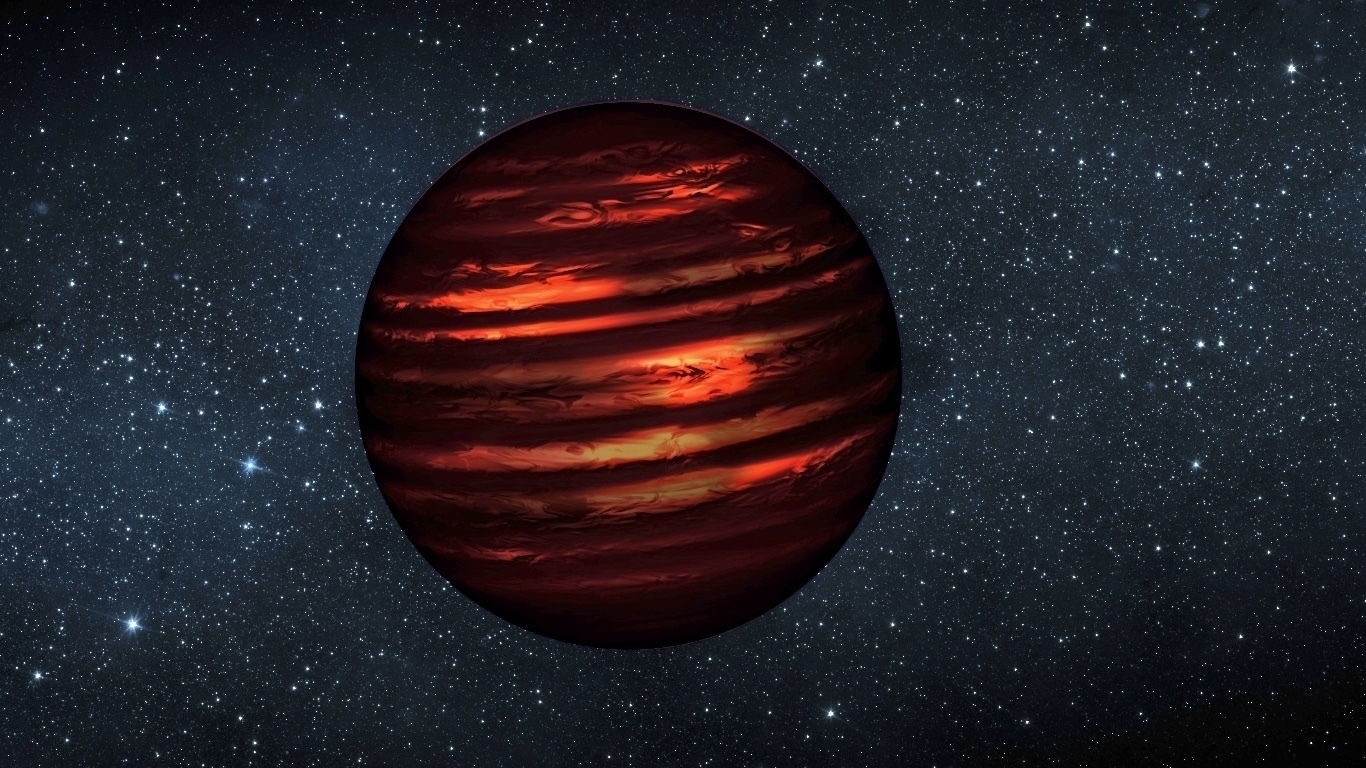
First off, brown dwarfs? They’re practically invisible. These suckers are so damn cold—like, we’re talking a few hundred Kelvin, maybe even as low as 100 K. That means they barely spit out any light you can see. They’re not even trying to show up to the party; all they’re doing is radiating infrared light, the kind of stuff you can’t catch with the naked eye. And here’s the kicker: their energy output is a joke compared to the Sun. We’re talking 16 million times less power, man. You put one of these things next to the Sun, and it’s like comparing a candle to a flamethrower. And, get this, they’d actually look purple under sunlight, not brown. Go figure.
Now, let’s talk gravity. These brown dwarfs play by the same rules as everything else in space, but if you get another object with a similar mass close by, they might start doing this cosmic dance, orbiting each other like some kind of twisted, interstellar tango.
But don’t get too close. These things have radiation belts—imagine the Earth’s Van Allen belts but on steroids. They’re packing high-energy particles that’ll fry your electronics and turn anything organic into toast. Occasionally, they might even throw a flare, but it’s rare—thank God for small favors.
Bottom line? Trying to live around one of these brown dwarfs? Forget it. It’s dark, it’s bleak, and it’s downright deadly.